
Trainer checklist
Bulk removal and debulking trainer checklist
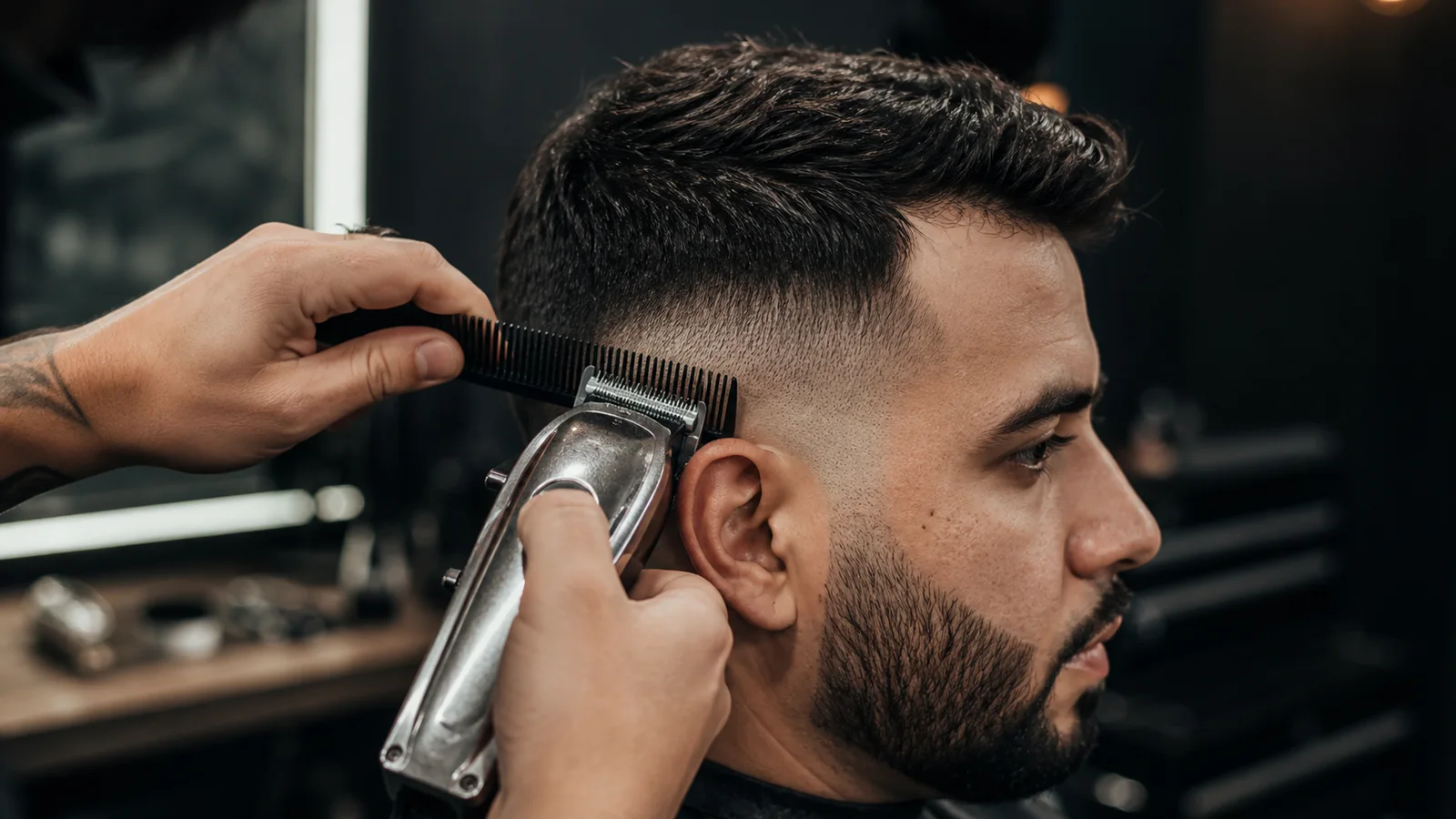
Debulking creates a workable foundation by reducing excess length and weight before detailed blending or shape refinement. The goal is to remove only what the final design does not need and leave a clear, even surface for the next technique.
Quick answer
What to remember.
- The goal is to remove only what the final design does not need and leave a clear, even surface for the next technique.
- Establish the target length and silhouette first.
- Check guards are seated securely and keep blades cool, clean and away from irritated skin.
- Measured debulking makes the service more comfortable and protects the final style from unnecessary thin areas.
Before the attempt
Confirm the learner can state the goal: The goal is to remove only what the final design does not need and leave a clear, even surface for the next technique.
Check that the task, tools, model, time and supervision match the learner’s current level. Ask the learner to point out the stop conditions before beginning.
During the attempt
Observe the sequence and decision-making rather than waiting only for the final result. Use these points as prompts:
- Establish the target length and silhouette first.
- Work in organised zones rather than random passes.
- Keep tool angle consistent over head contours.
- Reassess density before making a second heavy pass.
When to intervene
Intervene early for safety or consent concerns. For technical learning, watch for Removing the structural corner too early.; Using the shortest tool setting simply to work faster.; Creating patchy density by changing pressure mid-stroke.. Ask what the learner sees before supplying the answer.
Check guards are seated securely and keep blades cool, clean and away from irritated skin.
After the attempt
Use the same viewing conditions and ask the learner to identify evidence first. Measured debulking makes the service more comfortable and protects the final style from unnecessary thin areas.
- The foundation reads even before detail work.
- Required weight remains at the ridge and perimeter.
- Later blending needs local correction rather than broad repair.
Sydney training context
How this topic fits into Sydney barber school training
If you are comparing a Sydney barber school, use bulk removal and debulking trainer checklist as a concrete quality check. Ask how this clippers, fades & tapers subject is demonstrated, practised, corrected and assessed before you enrol.
The phrase “best barber school” is not an objective accreditation or a guaranteed outcome. The best choice for someone who wants to learn practical barbering skills depends on program status, supervised practice, trainer feedback, safety, total cost and fit with their intended pathway.
People searching for a barber course in Sydney should compare the written curriculum, training status, supervised floor time, class size, total cost and next pathway—not only the headline duration.
For a transparent example, review The Guild's private barber training program in Sydney, including its curriculum, A$5,000 fee and non-accredited status.
The Guild
Build the skill through corrected repetition.
Explore The Guild’s private 12-week curriculum and see how practical lessons, feedback and supervised training fit together.
View the curriculum →