
Client experience
How electrical clipper and tool safety improves the client experience
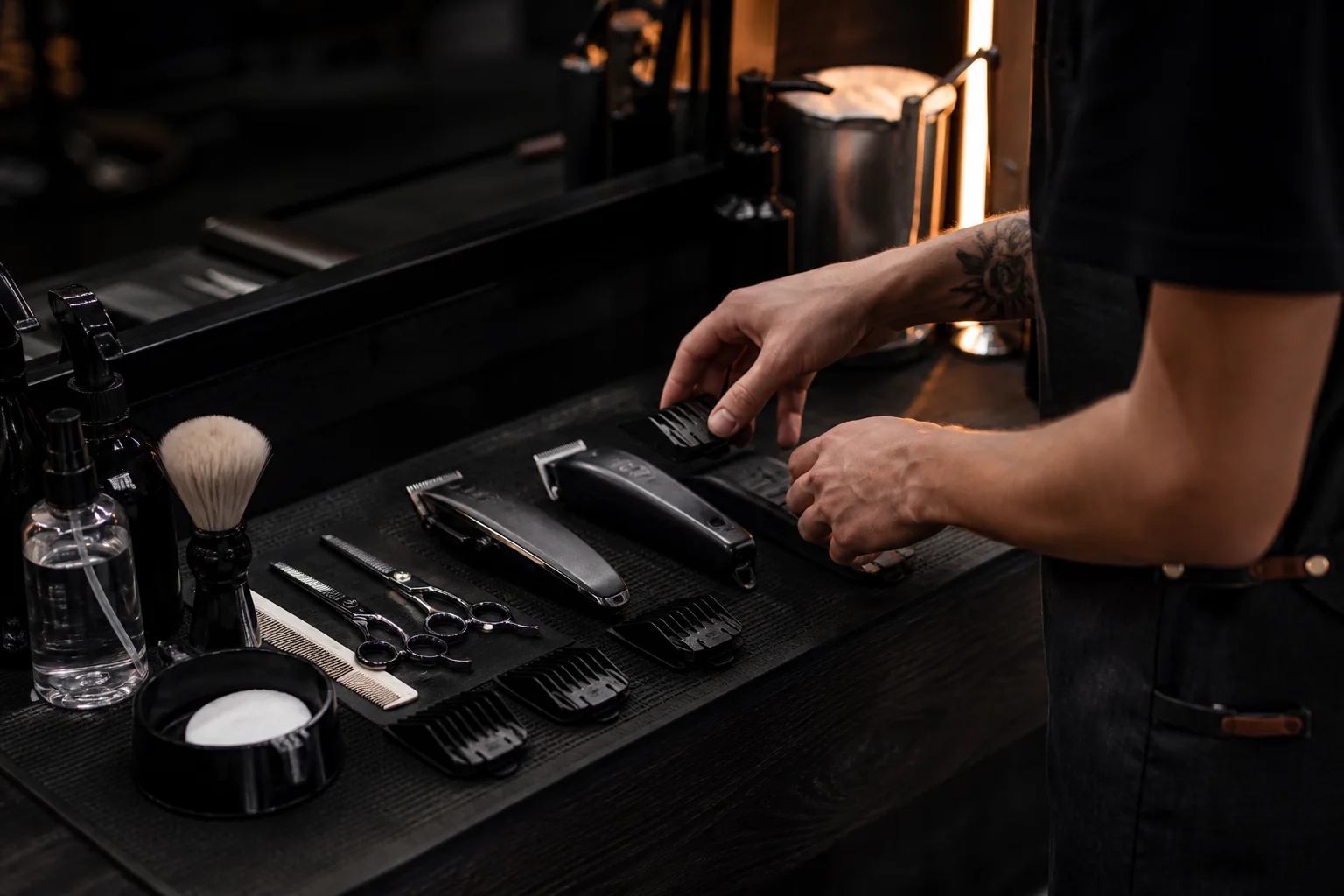
Routine checks of cords, plugs, charging, ventilation and tool condition help prevent equipment faults during service. The goal is to identify damaged or unsafe equipment before it reaches the client.
Quick answer
What to remember.
- The goal is to identify damaged or unsafe equipment before it reaches the client.
- Inspect cords, plugs, housings and blades before use.
- Do not use damaged electrical equipment; follow workplace isolation, tagging and qualified-repair procedures.
- Pre-service checks prevent interruptions and reduce the chance of heat, shock or mechanical discomfort.
The client value behind the technique
Pre-service checks prevent interruptions and reduce the chance of heat, shock or mechanical discomfort.
Routine checks of cords, plugs, charging, ventilation and tool condition help prevent equipment faults during service. The client may not use the technical vocabulary, but they experience the result through comfort, clarity and how the work performs after leaving the shop.
Set expectations before the work
Explain the part of the plan affected by electrical clipper and tool safety in plain language. The goal is to identify damaged or unsafe equipment before it reaches the client.
Confirm what the client will see, feel or need to maintain, and invite questions before a decision becomes irreversible.
Protect comfort during the service
Do not use damaged electrical equipment; follow workplace isolation, tagging and qualified-repair procedures.
Check in at meaningful moments without making the client responsible for technical supervision. If the plan changes, explain the reason and obtain agreement.
- Inspect cords, plugs, housings and blades before use.
- Keep electrical equipment away from water and wet surfaces.
- Charge and store tools according to manufacturer directions.
- Remove faulty equipment from service and report it.
Finish with a useful handover
Show the result using the same words used during consultation. Review these quality signals: The inspection follows the same sequence each time.; Unsafe equipment is isolated immediately.; Charging and storage match manufacturer guidance..
Give only the maintenance information that matters for this client, and record relevant preferences with appropriate permission.
Sydney training context
How this topic fits into Sydney barber school training
People researching a Sydney barber school should look beyond a course outline and ask how how electrical clipper and tool safety improves the client experience is taught in practice. A useful answer should explain the demonstration, supervised repetition, feedback and evidence of progress.
The phrase “best barber school” is not an objective accreditation or a guaranteed outcome. The best choice for someone who wants to learn practical barbering skills depends on program status, supervised practice, trainer feedback, safety, total cost and fit with their intended pathway.
Barber training in Sydney can include apprenticeships, nationally recognised study and private skills programs. Those pathways have different status and should be compared using current, written information.
For a transparent example, review The Guild's private barber training program in Sydney, including its curriculum, A$5,000 fee and non-accredited status.
The Guild
Build the skill through corrected repetition.
Explore The Guild’s private 12-week curriculum and see how practical lessons, feedback and supervised training fit together.
View the curriculum →