
Common mistakes
Common barber workstation setup mistakes and how to correct them
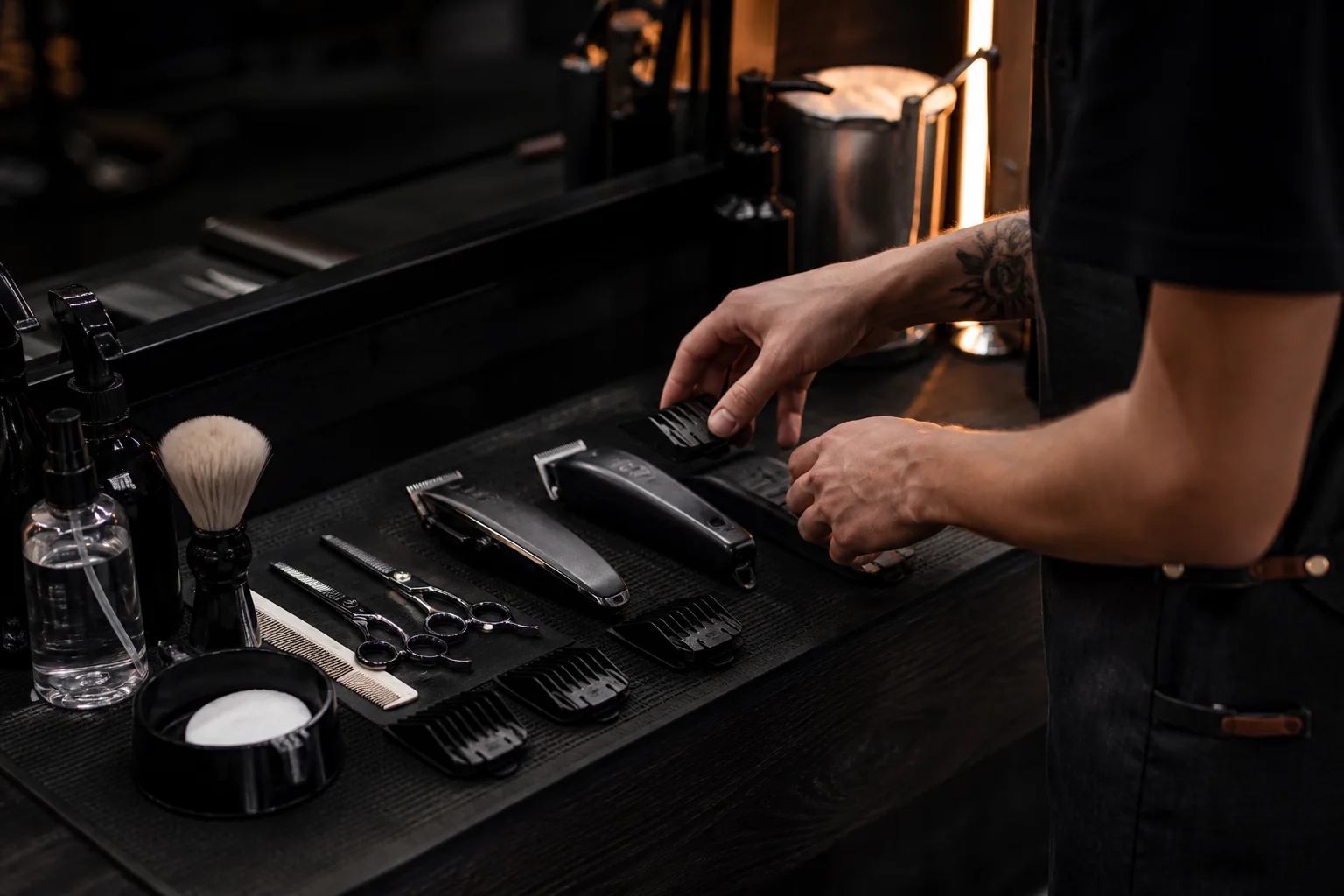
A well-planned station keeps tools visible, clean and reachable without interrupting the service. The goal is a repeatable layout that supports safe movement, efficient resets and calm attention on the client.
Quick answer
What to remember.
- The goal is a repeatable layout that supports safe movement, efficient resets and calm attention on the client.
- Separate clean, used and disinfected tools clearly.
- Follow the product instructions, workplace procedures and applicable infection-control rules for every cleaning and disinfection step.
- An organised station makes the service feel deliberate and gives the barber more attention for consultation and detail.
Diagnose before you correct
A well-planned station keeps tools visible, clean and reachable without interrupting the service. When the result is off, return to the first point where the process stopped matching the plan.
Do not make a broad correction simply because an area looks wrong. Name the visible evidence, identify the likely variable and test the smallest safe change.
Three mistakes to watch for
These problems often come from a decision or setup issue rather than a lack of effort.
- Allowing used tools to drift back into the clean area.
- Overloading the bench until important tools are hidden.
- Starting a service without checking guards, blades and consumables.
Reset the process
Return to these anchors: Separate clean, used and disinfected tools clearly. Place frequently used tools inside a comfortable reach zone. Keep cords, bags and loose items away from walkways. Reset the station fully between every model or client.
Photograph the station, complete a timed mock setup, perform a simulated tool change sequence and compare the finish against the same reset checklist. Compare the next attempt with the same viewing angle, timing and criterion.
Know when to stop and ask
Follow the product instructions, workplace procedures and applicable infection-control rules for every cleaning and disinfection step. A trainer should be involved when the learner cannot explain the cause, the remaining material will not support another correction or client comfort changes.
An organised station makes the service feel deliberate and gives the barber more attention for consultation and detail.
Sydney training context
How this topic fits into Sydney barber school training
People researching a Sydney barber school should look beyond a course outline and ask how common barber workstation setup mistakes and how to correct them is taught in practice. A useful answer should explain the demonstration, supervised repetition, feedback and evidence of progress.
The phrase “best barber school” is not an objective accreditation or a guaranteed outcome. The best choice for someone who wants to learn practical barbering skills depends on program status, supervised practice, trainer feedback, safety, total cost and fit with their intended pathway.
Barber training in Sydney can include apprenticeships, nationally recognised study and private skills programs. Those pathways have different status and should be compared using current, written information.
For a transparent example, review The Guild's private barber training program in Sydney, including its curriculum, A$5,000 fee and non-accredited status.
The Guild
Build the skill through corrected repetition.
Explore The Guild’s private 12-week curriculum and see how practical lessons, feedback and supervised training fit together.
View the curriculum →